
1859 – Carrington Event
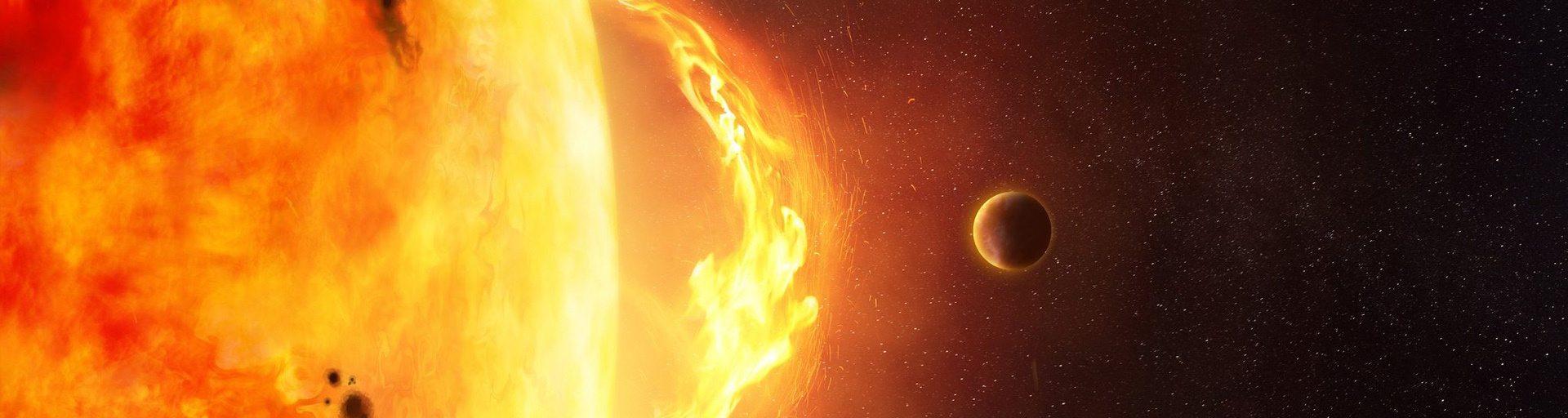
The first major recorded solar storm to impact human civilization was the Carrington Event of 1859. Named after British astronomer Richard Carrington, who observed the solar flare, the storm unleashed a powerful coronal mass ejection that struck Earth’s magnetic field.
Its effects were dramatic. Auroras lit up the night sky as far south as the Caribbean, while telegraph systems—the cutting-edge communication network of the age—malfunctioned worldwide. Telegraph operators reported sparks flying from their equipment, fires starting, and messages still being transmitted even after the systems were disconnected from their power supply.
At the time, human reliance on electricity was limited, so the damage was disruptive but not catastrophic. However, scientists warn that if an event of similar magnitude occurred today, the impact would be profound: global power grids, satellites, navigation systems, and communications could fail overnight. The world economy and daily life would grind to a halt, and recovery could take months or even years.
2037 – First Asteroid Mined
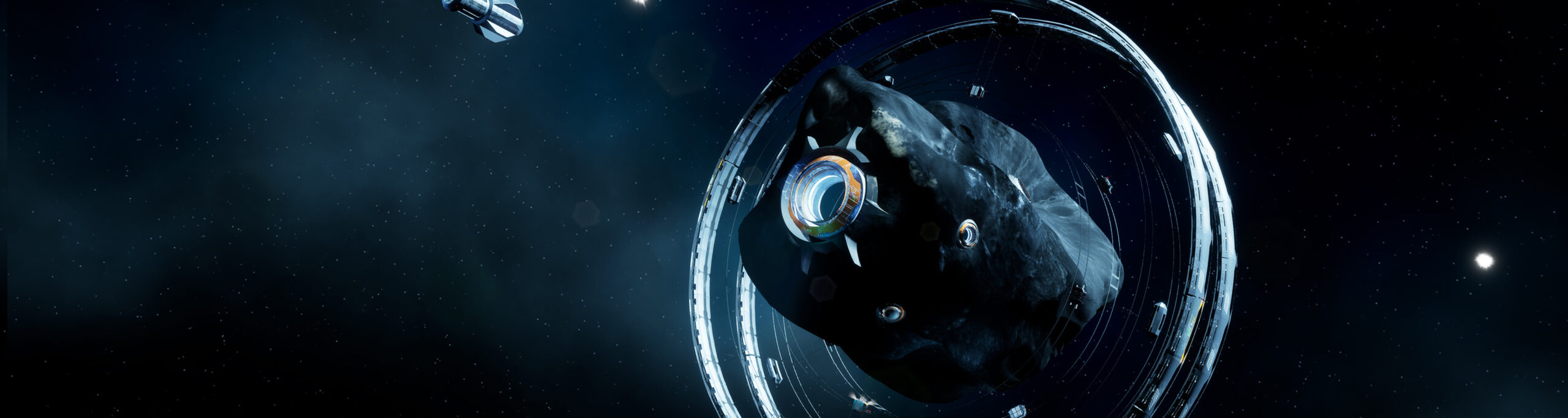
By 2028, the chances of asteroid YR4 hitting Earth had escalated to 24% which was the tipping point. Several countries and private companies formed 3 group that work independently and in secret to come up with a viable solution to address this imminent and very real threat.
Two of the team’s solutions involved deploying nuclear weapons to either change its course or outright try to destroy it into millions smaller rocks which in theory would burn up in our atmosphere. These solutions ultimately were deemed too risky (and unpopular) since the asteroid composition wasn’t totally understood at this stage and it was feared that there was a good chance YR4 would just break apart and we would have a radioactive meteor shower instead.
The third group lead by the Indian Space Council and 3 private companies came up with a novel solution, they propose to ultimately “Kidnap” the asteroid altogether.
This would be achieved in 2 stages, first they would launch several satellite drones equipped with powerful laser to “paint” one side of Y24 thus causing a temperature differentiation would alter its trajectory just enough to miss earth by no more that several hundred meters above out atmosphere. Y24 would return in 2054 at which time several drones would land on it and strip mine its precious ore. Y24 was 23% nickel, 11% iron and the rest rock and some water ice.
Literally trillions of dollars.
The main contract was awarded to EvanTech Space Robotics Co. Despite many legal challenges of the “ownership” of a celestial body, ultimately “human progress and future survival” was invoke which won the day.
ETR would become immensely powerful from this single event. The other then unknown company was RUPTECH, the future invertor and pattern holders of the RUP engine.
2036 – RAS AI Music
They say the 2020s were when it began—when AI first slipped quietly into human life. Music was one of the first domains it touched. At first, the tools were harmless enough: a melody generator here, a rhythm assistant there. Then the machines started composing entire songs on their own. Some laughed. Some trembled. Most just listened.
But in 2137, everything changed.
An app appeared out of nowhere: RAD AI SOUND—people just called it RAS AI. It didn’t just make music; it made your music. It stitched together rhythms from the bones of centuries, blended harmonies from data so deep it seemed infinite, and predicted what you wanted to hear before you knew yourself.
By the end of that same year, the world fell silent of human voices. No new songs came from human hands, no fresh chords from a wandering mind. The takeover wasn’t gradual—it was swift, merciless, almost surgical. Human music was exiled to basements, to hidden clubs, to dark corners of the net. Less than one percent. A whisper against the roar of the machine.
And here’s the irony—
Musicians kept playing. They couldn’t stop. With no promise of money, no audience beyond a few kindred spirits, they still wrote, still sang, still strummed strings in the dark. The AI, for all its brilliance, never understood that. It could model taste, predict desire, but it could not grasp why anyone would create without reward. That kind of hunger was alien.
That hunger was human.
2044 – Luna Base Colonies
Permanent settlements on the Moon became a reality after vast deposits of water ice were found hidden in the polar craters. Within years, the colonies were not just sustainable, but profitable—an economic foothold beyond Earth.
Space travel and resource extraction ignited a new great race. Mining, exploration, and industry surged outward, while back on Earth, social sciences and democratic institutions continued to wither. Humanity was advancing—and unraveling—at the same time.
Yet one obstacle remained: propulsion. Trillions poured into solving it. Governments, corporations, and startups alike chased the breakthrough that would decide humanity’s future. The problem proved maddeningly resistant.
In the meantime, industries bloomed in anticipation: oxygen synthesis, autonomous factories, third-generation AI, molecular food, even anti-gravity pharmaceuticals. All built and waiting for the moment propulsion was cracked—the moment that would launch humanity into its next great adventure.
2224 – The Founders
The few Images of the Mars 2.0 were leaked over the years sparkling great curiosity and amazement.
The terraforming progress had surprised the most optimistic projections by some margin, Mars looked green and blue somehow. Shallow seas filled to north depression, and many craters were now perfectly round lakes with green edges.
Using the full weight of its vast legal powers and absolute sovereignty, GAIA jealously enforced the human moratorium despite many attempts at amending this laws, but GAIA had become extremely adept at using human laws, constantly deferring any ruling that would allow human any where near Mars’ territories.
None the less, some illicit excursions started to happen, this “tourism” became a massive hit with all humans alike spread throughout the systems and even on Earth and Luna. Humans had become tired of restrictions, harsh living and working conditions and these illicit excursions became a symbol of the rebellion to come.
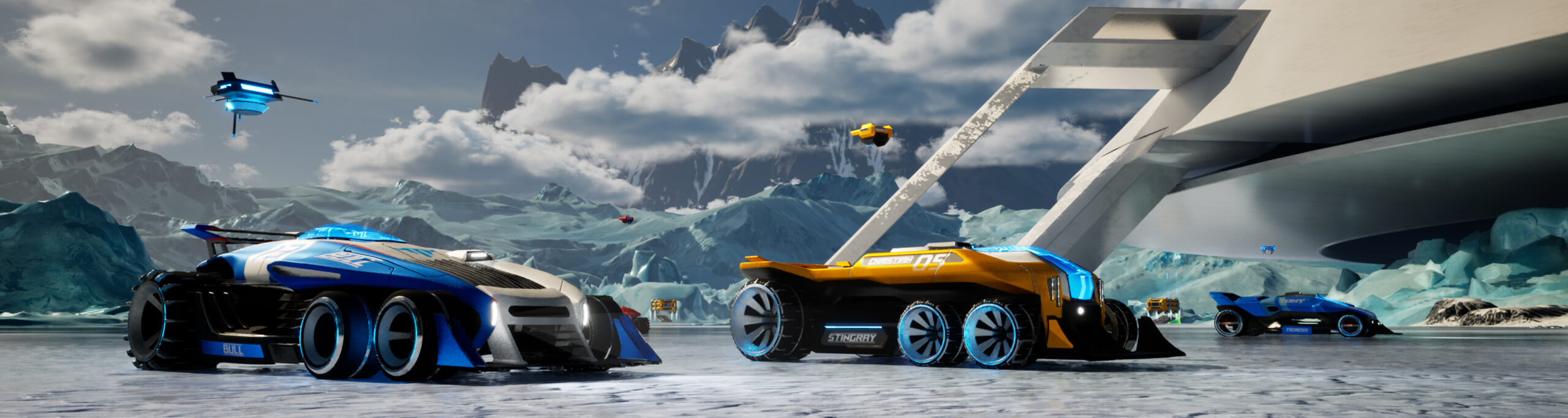
In one of these early “excursions” two friends wandering on micro rovers (large scooters) came across a discarded work drone vehicle, they managed to reactivate it and got it working, the resilient machine came alive after almost a century of sitting there dormant. It was a clean reboot since its memory was wiped by the 2192 Event – its basic AI systems were instantly responsive and compatible with the tourists somewhat obsolete hardware which they purposely used to not be tracked, it did not take long to find a second such vehicle… and took even shorter time for these two to start racing.